Calvary Healing Center Phoenix
Calvary Healing Center Phoenix serves adults with alcohol and drug concerns. The center has operated since 1964 and holds 31 to 50 beds. This guide explains its approach so you can decide what to ask.
- Detox
- Co-Occurring Mental Health
- 30 days

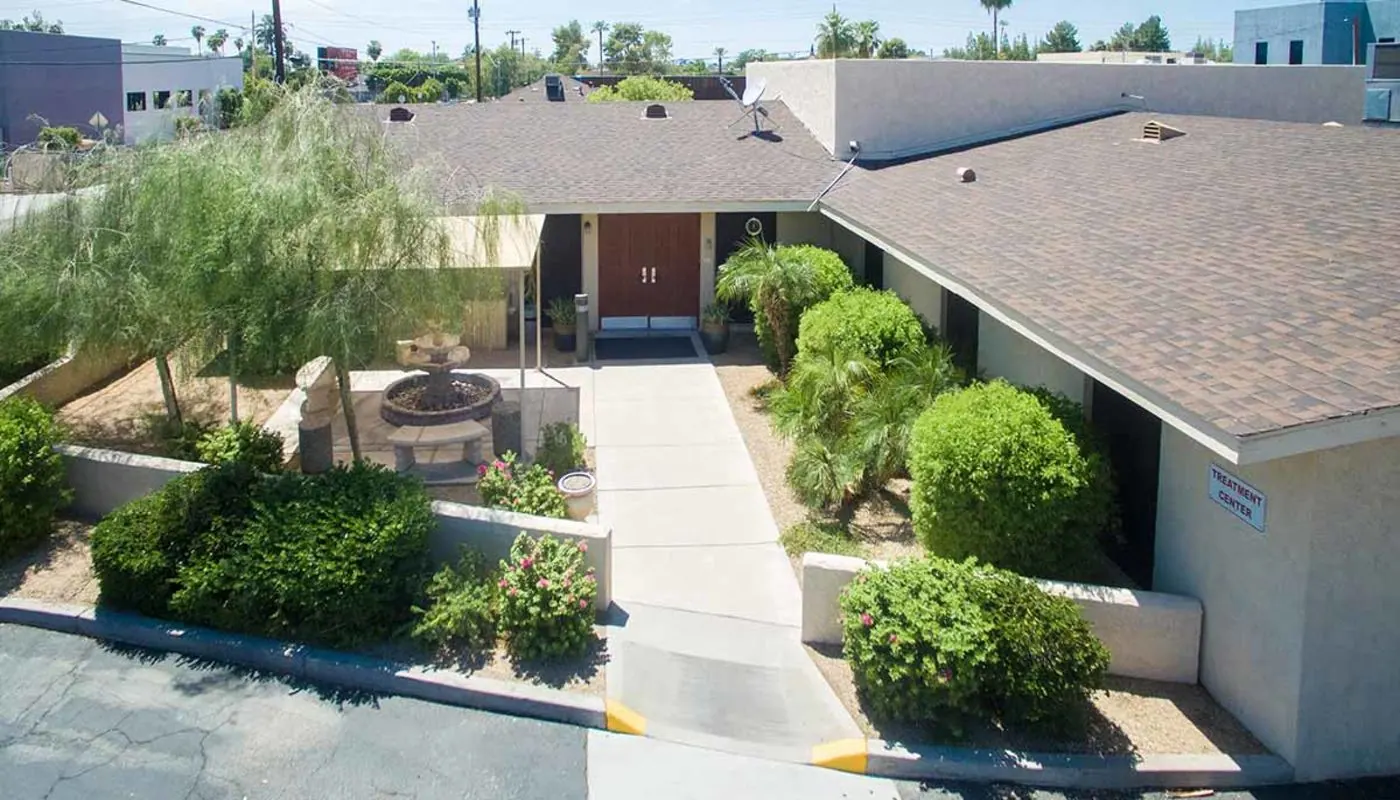
Calvary Healing Center has served Phoenix since 1964, making it one of the longer-running treatment programs in Arizona. The center offers a structured residential setting where adults can step away from daily pressures and focus on alcohol and drug concerns. Care begins with medically supervised detox when needed, then moves into residential programming and outpatient support. This Phoenix center blends evidence-based methods with a Christian orientation for alcohol treatment, and a faith-based track is available for people who want spiritual support woven into treatment.
Substance use is treated alongside mental health conditions that occur alongside addiction, so counselors address both together rather than one at a time. Most stays last about 30 days, though the plan is adjusted for each person. When someone has an addiction disorder in combination with a mental health condition too, this Phoenix facility treats both together, which is often called co-occurring care. Through individual counseling and group work, staff help people see the patterns that lead back to drinking or drug use.
Family involvement is encouraged, and aftercare planning starts before discharge. If you are looking for a Phoenix rehab that accepts cash pay and offers detox, this center lists both options. The overall aim is practical: help each person leave with a workable plan for the weeks after treatment.
Programs for Calvary Healing Center
Calvary Healing Center provides detox, residential treatment, and outpatient services, with support for mental health conditions that occur alongside addiction built in. Detox and residential care at this Phoenix center give people a stable place to start alcohol treatment, and outpatient options serve those who do not need supervision around the clock. A residential stay typically lasts around 30 days.
Therapy includes cognitive behavioral therapy, rational emotive behavior therapy, trauma-specific work, and one-on-one counseling. Acupuncture, art therapy, meditation, and mindfulness groups round out the schedule. For people who want faith included, this Phoenix program offers a Christian track alongside standard care; those who prefer a non-12-step approach can discuss that with staff. Online therapy is also listed as an option.
- Cognitive Behavioral Therapy
- Meditation & Mindfulness
- Evidence-Based
- Online Therapy
- Family Involvement
- Acupuncture
- Holistic
- Art Therapy
- 1-on-1 Counseling
- Individual Treatment
Who Calvary Healing Center is built for
- Adults dealing with alcohol, benzodiazepine, cocaine, heroin, or other drug use
- People who have experienced chronic relapse and want a structured restart
- Men and women who have mental health conditions that occur alongside addiction such as codependency
- Professionals, executives, and veterans seeking a private setting
- People who want spiritual or Christian support as part of treatment
Stay length, setting, and daily routine
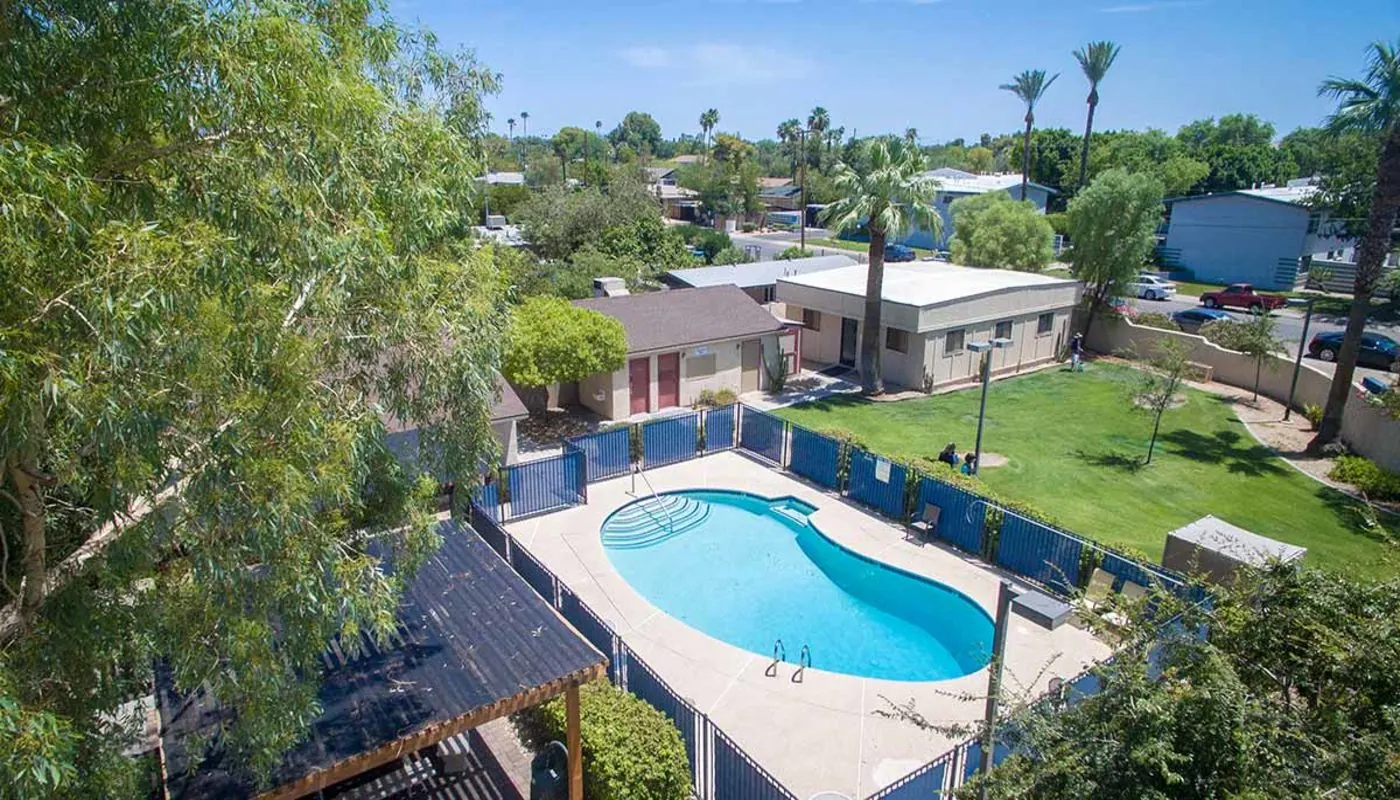
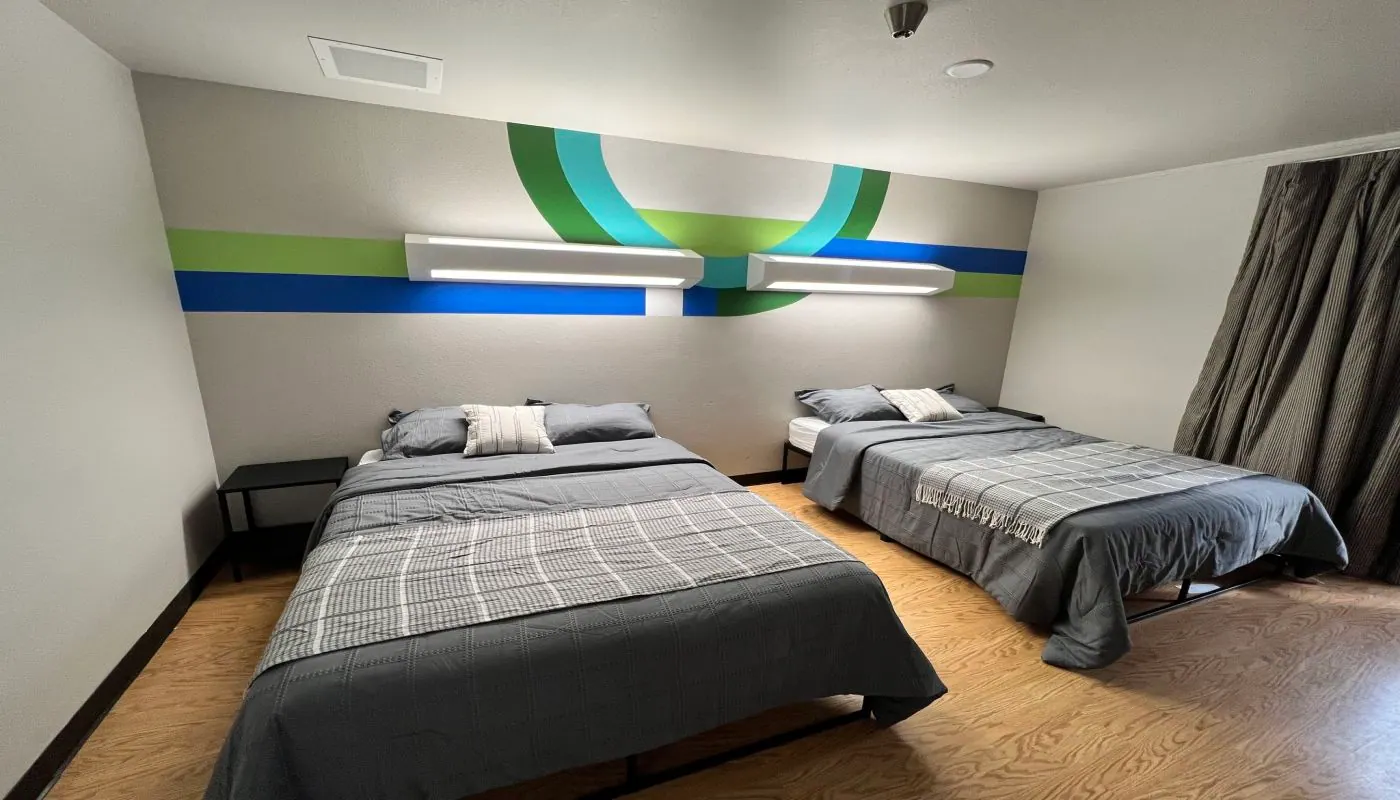
With 31 to 50 beds, the center stays intimate enough for staff to know residents by name, and the normal program length is 30 days. Choosing this Phoenix rehab gives you a setting with a pool and fitness center that supports rest and wellness. Rooms are private or shared, with air conditioning, desks, and housekeeping; laundry service is available. Meals are chef-prepared, and residents can use the pool, fitness center, volleyball court, and outdoor lounge. Activities include yoga, hiking, movies, museums, and AA or NA meetings. The center lists English as its language of service.
- Fitness Center
- Outdoor Lounge
- Internet
- Volleyball Court
- Pool
- Chef-prepared Meals
- Access to Nature
- Gourmet Dining
Paying for Calvary Healing Center
The center lists private-pay rates, and insurance may apply as well. If you want to use insurance at this Phoenix center, call the helpline to verify your benefits before committing. Plan networks and benefits differ, so have your insurance details ready; a trained advisor can help you check what your plan covers. If you qualify for AHCCCS, Arizona's Medicaid program, ask whether the center takes it, because that changes what you would owe. The helpline costs nothing, and using it does not require you to enroll anywhere.
Questions worth asking before admission
- Does my insurance cover detox and residential care here, and how much would be my responsibility?
- How is the faith-based track scheduled alongside standard programming?
- What does a typical day look like during the 30-day stay?
- How does the center handle withdrawal and medical monitoring during detox?
- What aftercare is arranged before discharge, and does it include follow-up sessions?

Nearby rehabs in Phoenix
-
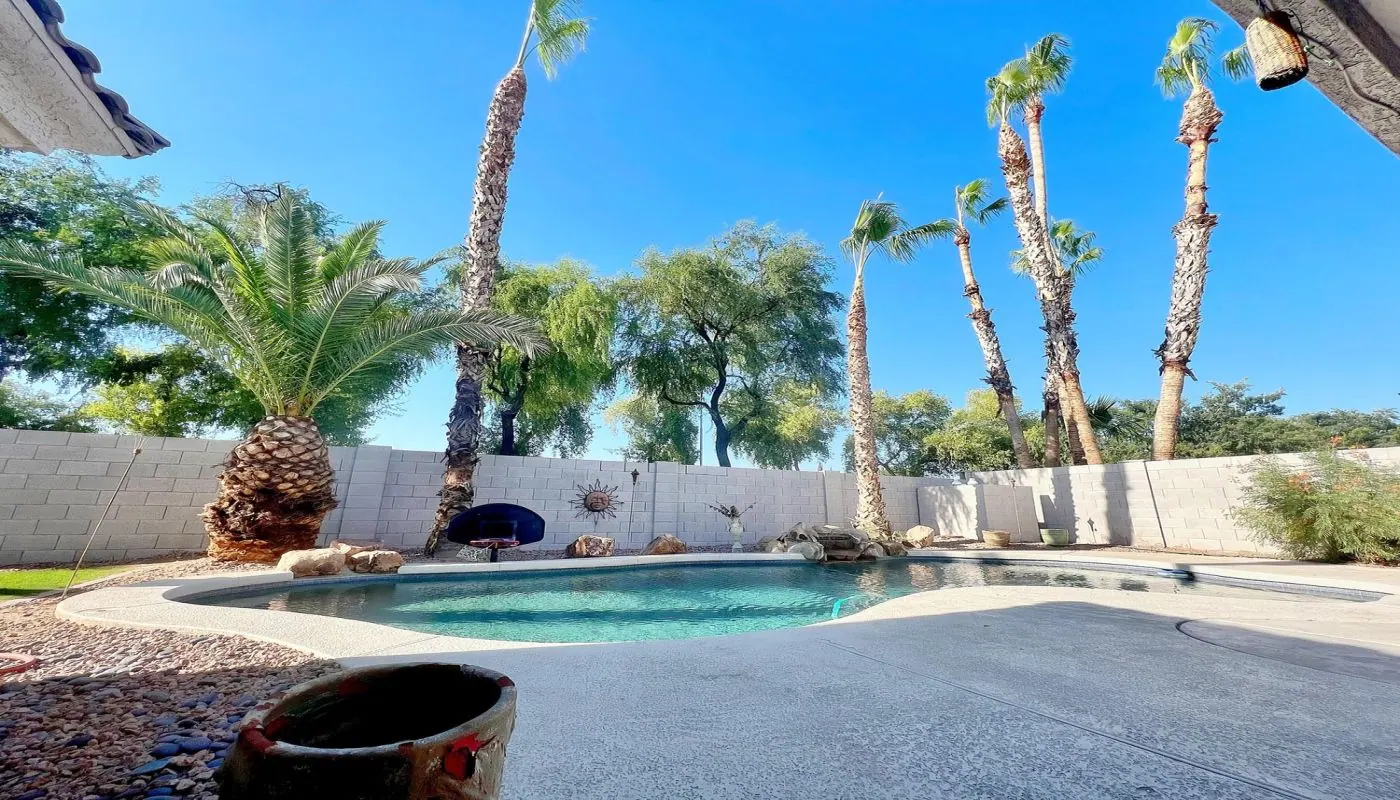
Gambit Recovery Womens Arizona
4.9/5195 Google reviews
Gambit Recovery Womens Arizona is a women-only sober living program in Phoenix.
Phoenix, AZ
90 days6-15 beds
- Sober Living
- Co-Occurring Mental Health
-
Nirvana Recovery
4.9/557 Google reviews
Nirvana Recovery Phoenix is an outpatient center in north Phoenix.
Phoenix, AZ
30 days
- Outpatient
- Co-Occurring Mental Health
-
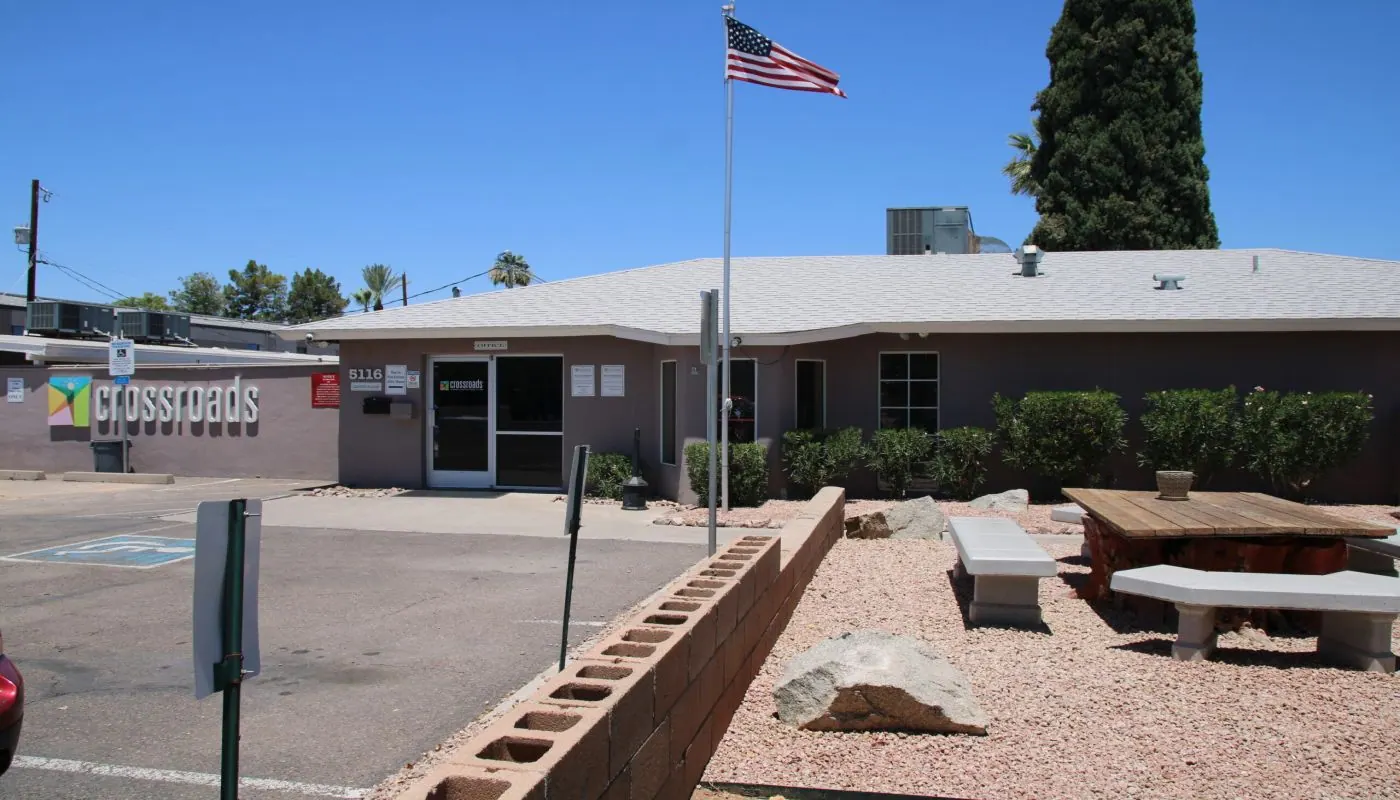
Crossroads Arcadia Campus
4.7/529 Google reviews
Crossroads Arcadia Campus Phoenix operates an outpatient program for men only, focused on alcohol and drug use disorders.
Phoenix, AZ
30 days
- Outpatient
-

The Holistic Sanctuary
The Holistic Sanctuary Phoenix is a residential rehab located in Arizona.
Phoenix, AZ
30 days6-15 beds
- Residential Rehab
- Detox
-
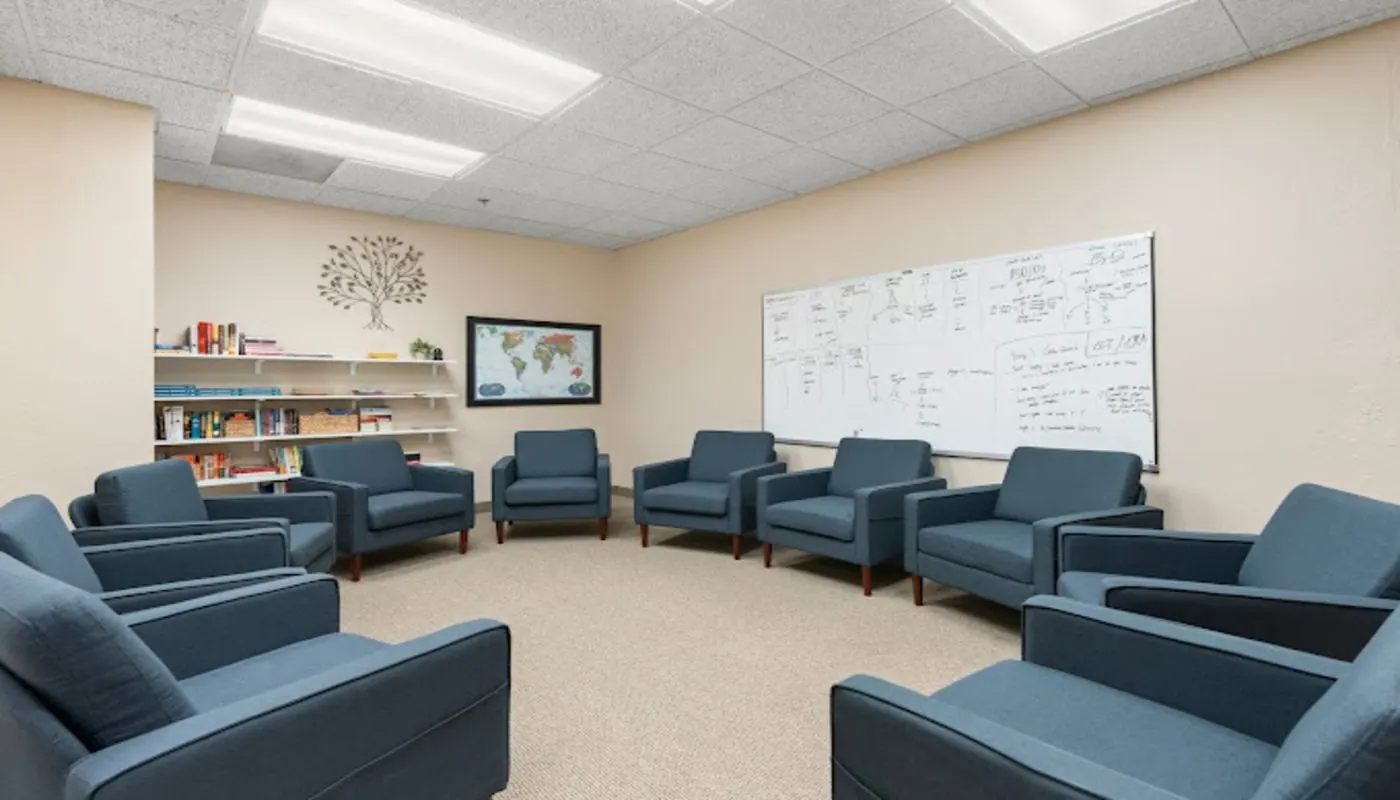
Cholla Behavioral Health
4.5/516 Google reviews
Cholla Behavioral Health in Phoenix offers detox and mental health care for adults.
Phoenix, AZ
30+ days
- Detox
-
Thrive Mental Health
Thrive Mental Health Phoenix offers outpatient care for co-occurring substance use and mental health.
Phoenix, AZ
30 days
- Joint Commission seal
- Outpatient
- Co-Occurring Mental Health

FAQ
Does Calvary Healing Center Phoenix accept insurance?
The clinic s profiles indicate private pay costs, and your plan could offer insurance as a second path. Coverage is never automatic, so the reliable step is to call and have your policy details checked before you decide anything. At no cost, the assistance line brings you together with practiced mentors who might help confirm benefits. The center does not list its in-network insurers, so asking directly is best.
How long is treatment at Calvary Healing Center Phoenix?
Most programs run about 30 days, although the plan gets adjusted for each individual. With 31 to 50 beds at the center, space is limited and availability shifts. Since detox and residential care are both on offer, some people begin with detox and then move into the longer residential phase. When you call, ask what length to expect for your situation.
Is Calvary Healing Center religious?
The center has a Christian orientation and offers a faith-based track with devotionals, prayer support, and chapel services. That track is optional; the program also uses evidence-based care, and a non-12-step approach is listed among its methods. If you want to know how much spiritual content is included for someone who prefers a secular plan, ask during your first call. The center treats people of any background.
What should I ask about detox at Calvary Healing Center Phoenix?
Stopping alcohol or benzodiazepines can carry risk, so medical staff should oversee it rather than someone trying to quit alone at home. The center lists detox among its care options, so ask how withdrawal is monitored, who provides medical coverage, and when an assessment can be scheduled. If you drink heavily or use benzodiazepines, call the helpline first and let an advisor help you find suitable care.
Does Calvary Healing Center Phoenix offer outpatient care after residential treatment?
Yes, outpatient treatment is listed among the center's aftercare options, along with follow-up sessions and relapse prevention planning. A typical residential stay is 30 days, and the center holds 31 to 50 beds, so step-down planning starts before discharge. Ask how outpatient scheduling works and whether it can fit around work or family commitments. The helpline can help you confirm what aftercare is available when you call.